Abati Defends Tinubu’s Foreign Trip, Questions Atiku Camp’s Criticism
Abati Defends Tinubu’s Foreign Trip, Questions Atiku Camp’s Criticism
Former presidential aide and television presenter Reuben Abati has criticised the reaction from the camp of former Vice President Atiku Abubakar over President Bola Ahmed Tinubu’s three-week working vacation in Europe.
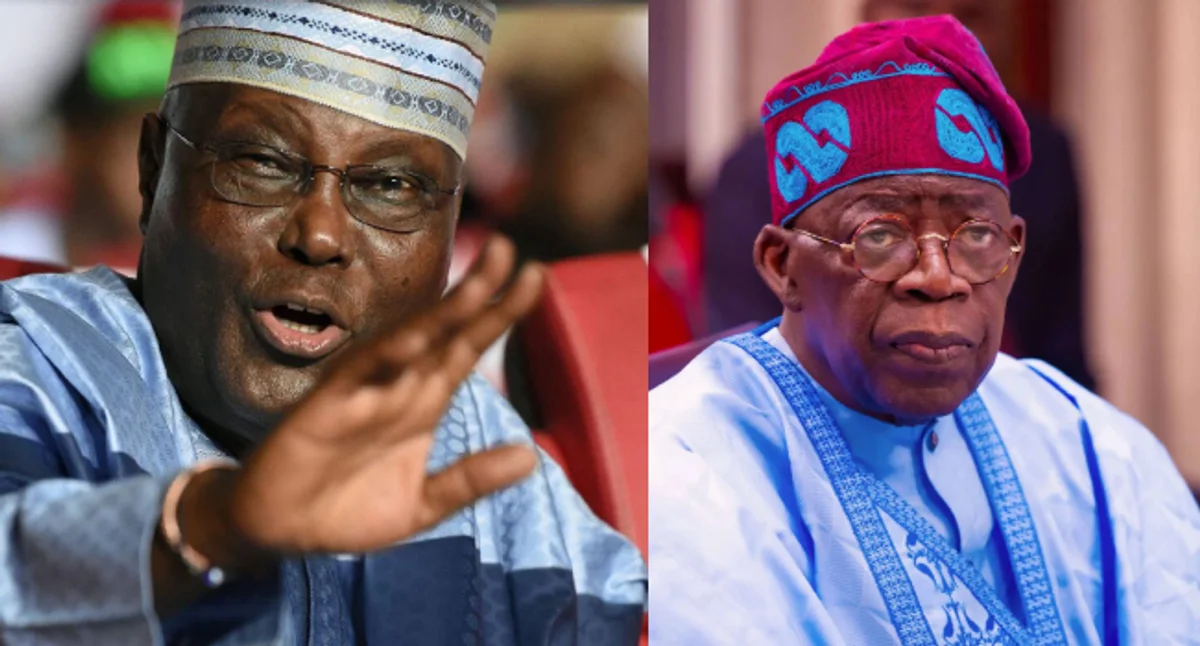
Speaking during a discussion on Arise Television’s The Morning Show on Monday, Abati argued that some of the questions being raised by Atiku’s camp were poorly researched and, in his view, embarrassing.
Atiku, the presidential candidate of the African Democratic Congress (ADC), had earlier questioned the President’s decision to leave Nigeria at a time when many citizens are facing economic difficulties.
In a statement released on Sunday, Atiku described Tinubu’s absence as a worrying gap in political leadership and questioned the decision to spend an extended period outside the country.
However, Abati said the President has the constitutional right to travel, provided the duration of his absence does not trigger the requirement for a formal transfer of presidential authority.
According to Abati, Section 145 of the 1999 Constitution becomes particularly relevant when the President is away for a period that requires constitutional arrangements concerning the exercise of presidential powers.
He noted that Tinubu’s current trip was planned within the 21-day period and said there was no indication that presidential power had been formally transferred to Vice President Kashim Shettima.
“President Bola Ahmed Tinubu has now gone on what they call a working vacation for three weeks, which he is entitled to,” Abati said during the programme.
He also dismissed questions about whether Tinubu should be travelling abroad, arguing that the President is free to travel as long as the constitutional requirements are respected.
Abati further referred to the explanation from the ruling All Progressives Congress (APC) that the President needed time away to “refuel,” saying the party was entitled to offer that explanation.
However, he said there was another issue that deserved greater attention.
According to Abati, the more important question was the whereabouts of the Vice President at the time Tinubu departed Nigeria.
He observed that while Tinubu was travelling to Europe, Shettima was also outside the country in Angola.
Abati suggested that the Atiku camp could have focused more strongly on the simultaneous absence of the President and Vice President rather than concentrating solely on Tinubu’s decision to travel.
The debate over Tinubu’s foreign trips comes amid continuing public discussion about presidential leadership, the cost of governance and the government’s response to economic hardship in Nigeria.
While supporters of the administration maintain that the President remains in charge of government despite travelling abroad, critics argue that the timing and frequency of presidential trips should be subjected to greater public scrutiny.
The latest exchange has therefore added another layer to the political disagreement between the Tinubu administration and Atiku’s opposition camp.