The Appalachian Mountains: A Story Carved Through Time
Every story begins with a spark of curiosity. Mine started while watching Sam and Colby's exploration of the Appalachian Mountains. Although the video centered around local legends and an overnight investigation, I found myself becoming fascinated by the mountains themselves rather than the mystery. I wanted to know why this region held so many stories, what made it culturally significant, and why millions of people continue to be drawn to its landscapes. What began as a late-night YouTube video quickly turned into hours of research into one of the world's oldest and most remarkable mountain ranges. Stretching nearly 2,000 miles (3,200 kilometers) from central Alabama through the eastern United States and into Newfoundland and Labrador, Canada, the Appalachian Mountains are among the oldest mountain systems on Earth. Scientists estimate that these mountains first began forming approximately 480 million years ago during a series of continental collisions, long before dinosaurs ever roamed the planet.
Over millions of years, erosion gradually transformed what were once towering peaks into the rounded
ridges and rolling mountains we recognize today. Their ancient geology offers scientists valuable insight into Earth's history and the powerful forces that continue to shape our planet.
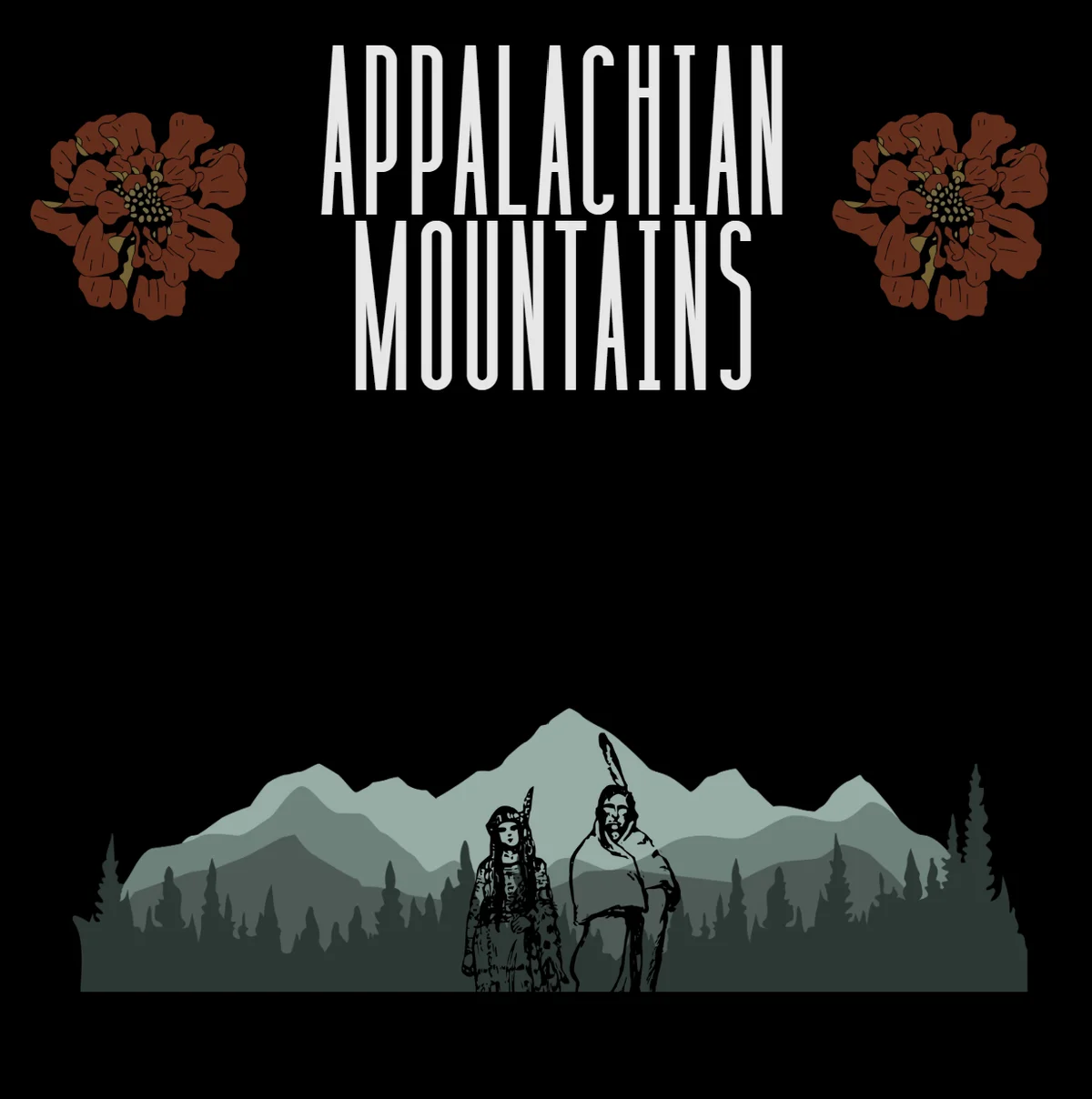
The Appalachian Mountains are far more than a geological landmark—they are one of North America's richest ecological regions. The forests provide habitat for thousands of plant and animal species, many of which are found nowhere else in the world. Within the mountain range lies Great Smoky Mountains National Park, internationally recognized for its incredible biodiversity and often referred to as one of the most biologically diverse places in the United States. Black bears, white-tailed deer, salamanders, migratory birds, and countless native wildflowers all call these mountains home, creating ecosystems that have flourished for thousands of years.
Beyond their natural beauty, the Appalachian Mountains tell the story of the people who have called this region home. Long before European settlers arrived, Indigenous nations, including the Cherokee, Shawnee, and many others, lived throughout Appalachia, developing deep cultural and spiritual connections to the land. Their knowledge of local plants, wildlife, and natural resources shaped the region for generations and continues to influence it today.
As new communities settled throughout Appalachia, cultures blended together in remarkable ways. Traditions brought by Scottish, Irish, English, German, and African communities merged with Indigenous influences to create the region's unique identity. One of Appalachia's greatest cultural contributions is its music. African American musicians played a vital role in shaping Appalachian musical traditions, introducing rhythms, instruments, and styles that later influenced bluegrass, old-time music, gospel, blues, and even modern country music. These traditions continue to echo throughout the mountains today, reminding us that culture is built through shared experiences across
many generations.
One reason the Appalachian Mountains continue to capture people's imagination is the countless stories and legends that surround them. Generations have shared tales of haunted locations, mysterious lights, unexplained disappearances, abandoned towns, and creatures said to roam deep within the forests after dark. These stories have become even more popular through documentaries, podcasts, YouTube channels, and social media, inspiring people from around the world—including myself—to learn more about the region.
When I first became interested in Appalachia after watching Sam and Colby's investigation, I also came across countless online discussions about mysterious creatures often referred to as skinwalkers. As I continued researching, however, I discovered that this is one of the internet's most common misconceptions. Skinwalkers are part of the traditional beliefs of the Navajo (Diné) people of the American Southwest and are not part of traditional Appalachian folklore. While social media often connects the two, Appalachia has its own rich traditions of ghost stories, mountain folklore, mysterious lights, witches, and local legends passed down through generations.
Learning this reminded me why research is so important. Sometimes a story that begins with curiosity can lead us to discover not only fascinating history but also the importance of respecting different cultures and the origins of their traditions. The Appalachian Mountains are mysterious enough on their own, and their true history is every bit as captivating as the legends that surround them.
Unfortunately, Appalachia has often been misunderstood. Popular media have sometimes portrayed the region through stereotypes that overlook its rich history, resilient communities, and remarkable contributions to American culture. In reality, Appalachia represents generations of hardworking families, storytellers, artists, musicians, conservationists and educators who have preserved their traditions while adapting to an
ever-changing world.
The more I learned about the Appalachian Mountains, the more I realized they represent
something much greater than a beautiful landscape. They are a living record of Earth's geological history, a sanctuary for wildlife, and a place where countless cultures, traditions, and stories continue to thrive. What began as curiosity sparked by a YouTube video grew into an appreciation for the history hidden within these mountains and for the people who continue to protect their legacy. Perhaps that's what I enjoy most about learning. Inspiration can come from the most unexpected places. Sometimes it starts with a documentary, a conversation, a photograph—or even a YouTube video. If we're willing to keep asking questions, we often discover stories that are far more meaningful than we ever expected.
Curiosity Corner
Did You Know?
Internet Myth: Skinwalkers are part of Appalachian folklore.
Historical Fact: Skinwalkers belong to the traditional beliefs of the Navajo (Diné) people of the American Southwest. Although social media frequently connects them with the Appalachian Mountains, the region has its own unique folklore, including ghost stories, mountain spirits, mysterious lights, witches, and legends that have been shared by Appalachian communities for generations.