Deer Population Surges in Central Ohio Suburbs: What's Driving the Boom and What Can Be Done
White-tailed deer have long been a familiar sight in Central Ohio, but residents of Upper Arlington, Worthington, Dublin, and surrounding suburbs are reporting a dramatic increase in sightings — and with it, growing concerns about safety, property damage, and ecological balance.
A Growing Presence
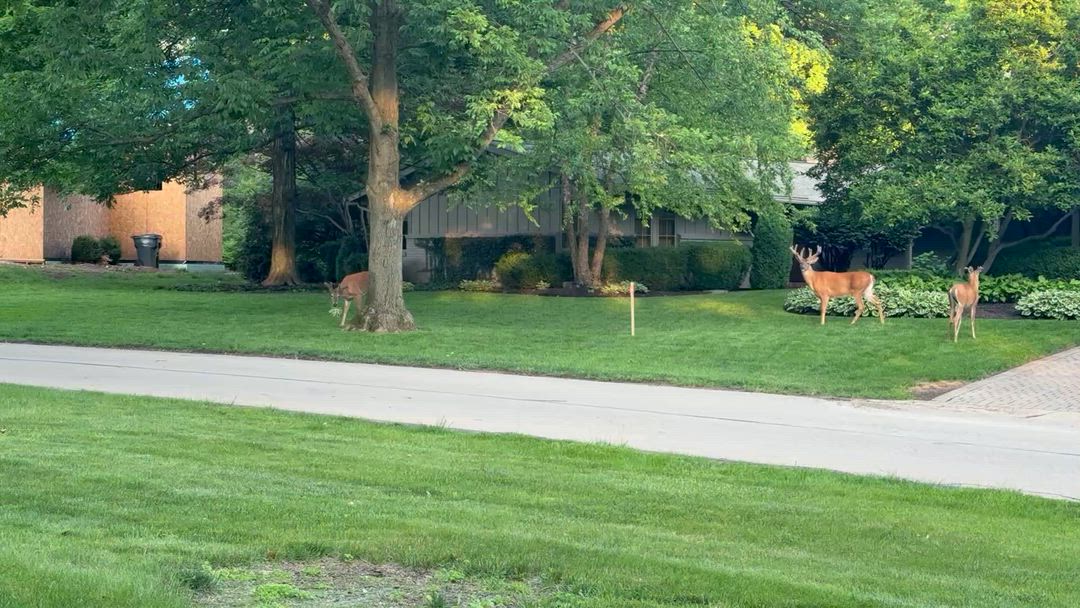
Wildlife officials and local residents alike have noticed the uptick. Deer are increasingly spotted grazing in front yards, darting across busy roadways, and browsing through garden beds in neighborhoods that were once considered too developed for significant wildlife activity. Ohio Department of Natural Resources (ODNR) data has shown suburban deer densities in some Franklin County communities far exceeding recommended levels for sustainable coexistence.
What's Behind the Surge?
Experts point to several converging factors driving the population boom:
- Habitat loss and fragmentation: As development pushes into formerly rural areas, deer are being pushed into residential neighborhoods where food and shelter remain plentiful.
- Mild winters: Recent mild Ohio winters have reduced natural mortality rates, allowing more deer — particularly fawns — to survive into adulthood.
- Reduced hunting pressure: Suburban and urban settings limit traditional hunting as a population control method, removing one of the most effective natural checks on herd size.
- Abundant food sources: Ornamental landscaping, gardens, and manicured lawns provide a year-round buffet for deer, making suburbs an attractive habitat.
Why It Matters
The surge isn't just a nuisance — it carries real consequences. Vehicle-deer collisions are a leading concern; Ohio consistently ranks among the top states nationally for deer-related car accidents, with suburban corridors seeing a disproportionate share. Landscaping and garden damage costs homeowners hundreds to thousands of dollars annually. There are also ecological concerns: overbrowsing by deer can devastate native plant communities and disrupt local ecosystems.
Public health officials also note that higher deer populations can increase the presence of deer ticks, which carry Lyme disease — a growing concern in Central Ohio.
What Can Be Done?
Communities and residents have several tools at their disposal:
- Managed culling programs: Cities like Upper Arlington and Dublin have previously explored or implemented controlled deer culls in partnership with wildlife agencies. These programs, while sometimes controversial, are considered one of the most effective population management strategies.
- Contraception programs: Some municipalities are experimenting with wildlife contraception, though experts note these programs are expensive and slow to show results at scale.
- Deer-resistant landscaping: Homeowners can reduce their property's appeal by planting deer-resistant species such as lavender, boxwood, and ornamental grasses, and by using fencing around gardens.
- Public education: Residents are urged not to feed deer, as supplemental feeding concentrates populations and increases human-wildlife conflict.
- Reporting and tracking: Local wildlife agencies encourage residents to report deer sightings and vehicle collisions to help officials better understand population distribution and hotspots.
Looking Ahead
Local officials in Upper Arlington, Worthington, and Dublin have each grappled with deer management in recent years, with varying approaches and levels of community support. As the population continues to climb, the conversation about long-term, sustainable management strategies is becoming increasingly urgent.
Residents with concerns are encouraged to contact their city's parks and recreation department or reach out to the Ohio Department of Natural Resources Wildlife District 1 office for guidance and resources.