Miami's MiMo District: A Colorful Journey Through Mid-Century Modern History
MIAMI, FL — Tucked along Biscayne Boulevard between roughly 50th and 77th Streets, Miami's MiMo District is one of South Florida's most architecturally distinctive and historically significant neighborhoods — yet it remains one of the city's best-kept secrets.
What Is MiMo?
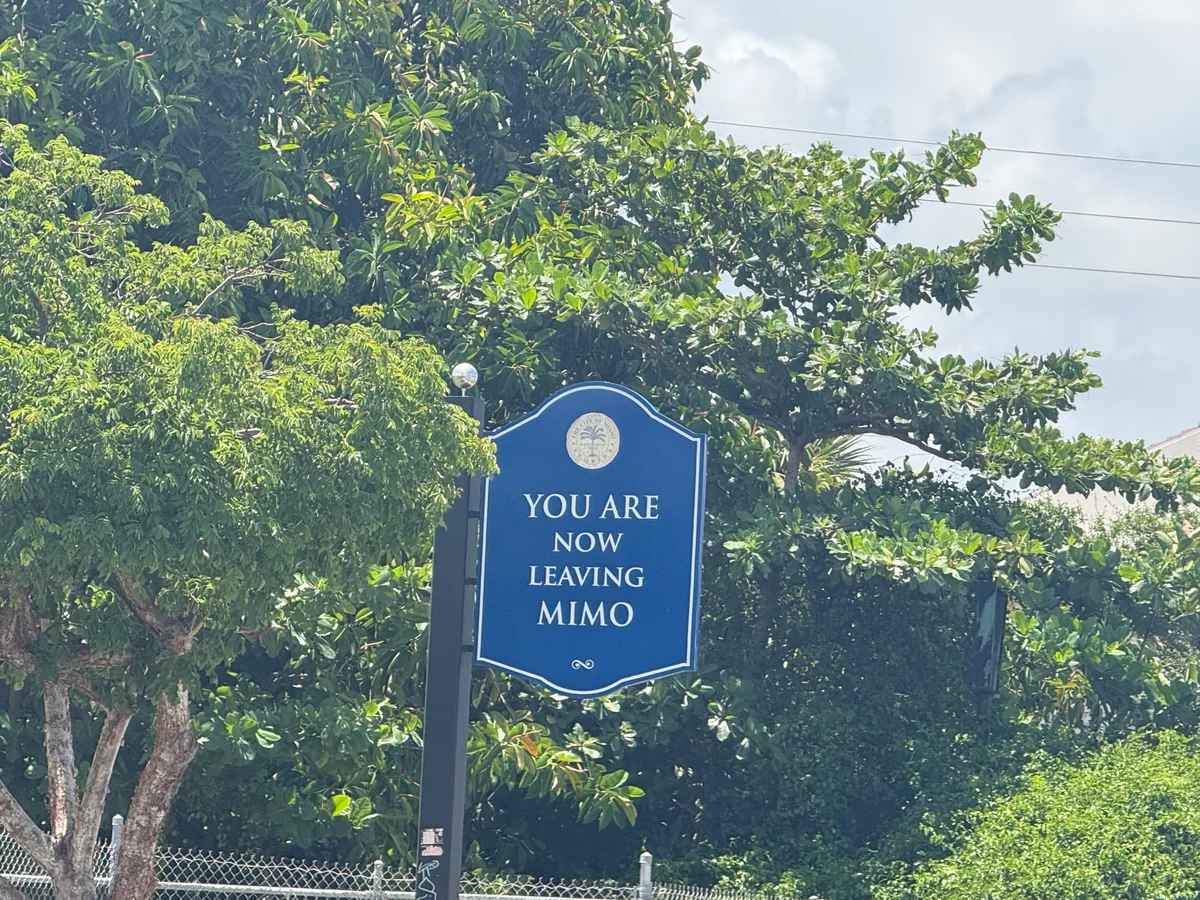
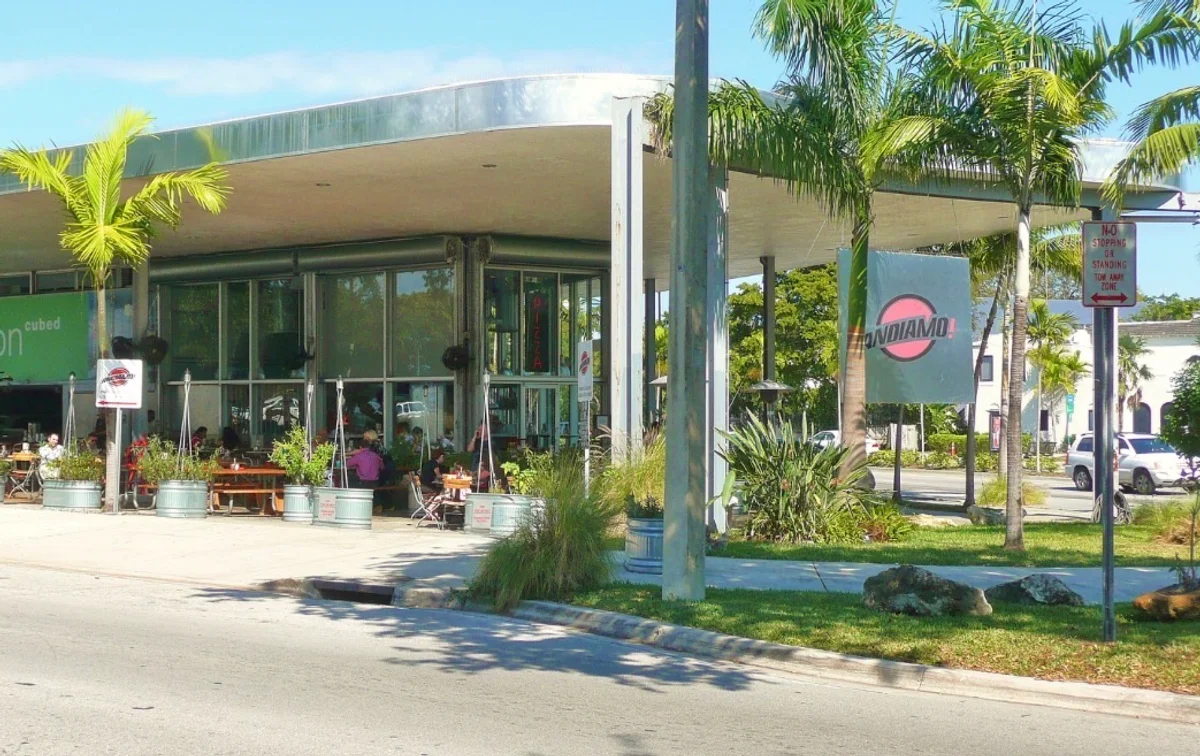
MiMo stands for Miami Modern, a bold architectural style that flourished in South Florida from roughly the late 1940s through the mid-1960s. A close cousin to the more internationally recognized Mid-Century Modern movement, MiMo developed its own tropical identity — blending sleek, futuristic lines with playful ornamentation, sweeping rooflines, and a sense of optimism that perfectly captured postwar America's spirit of possibility.
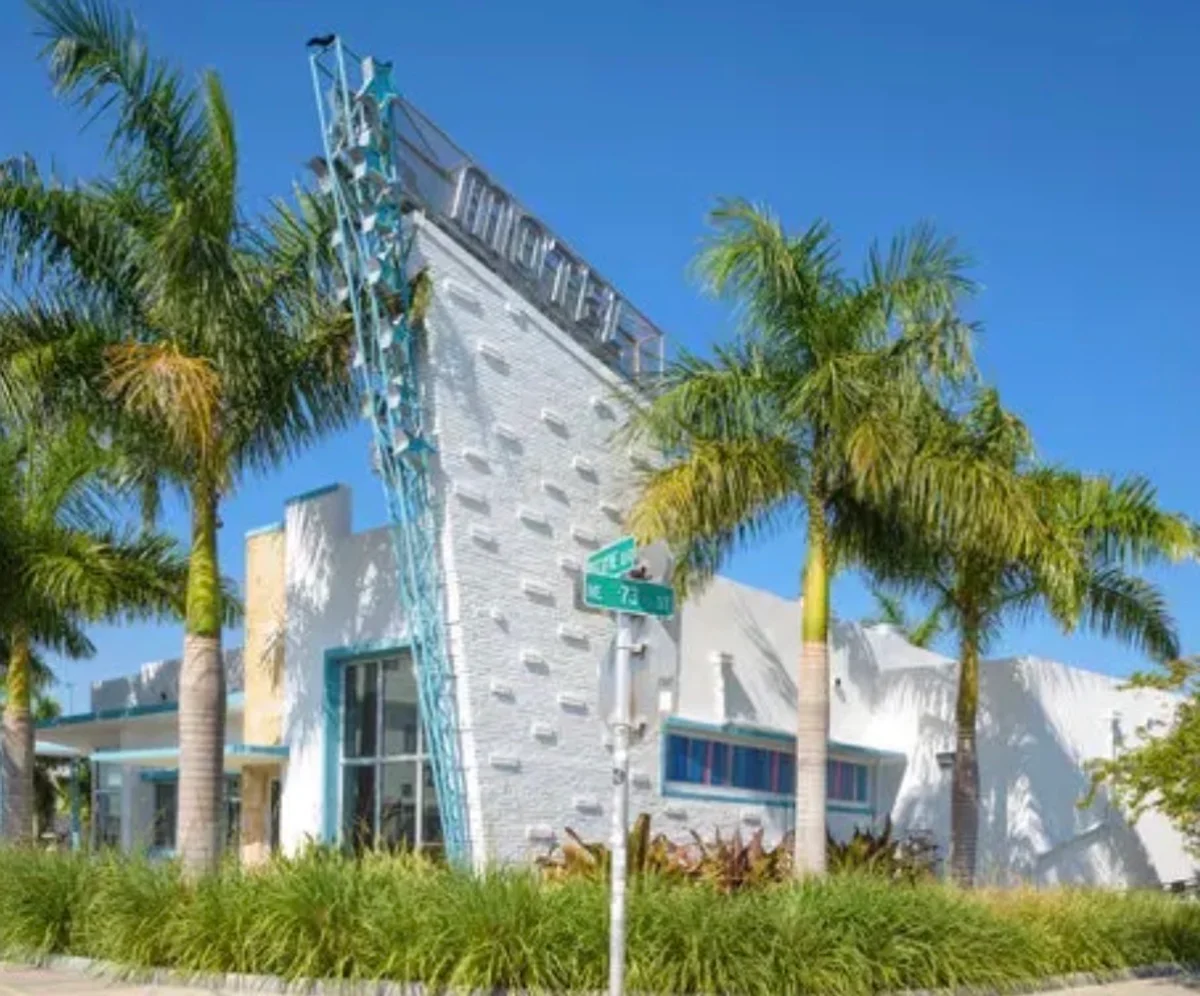
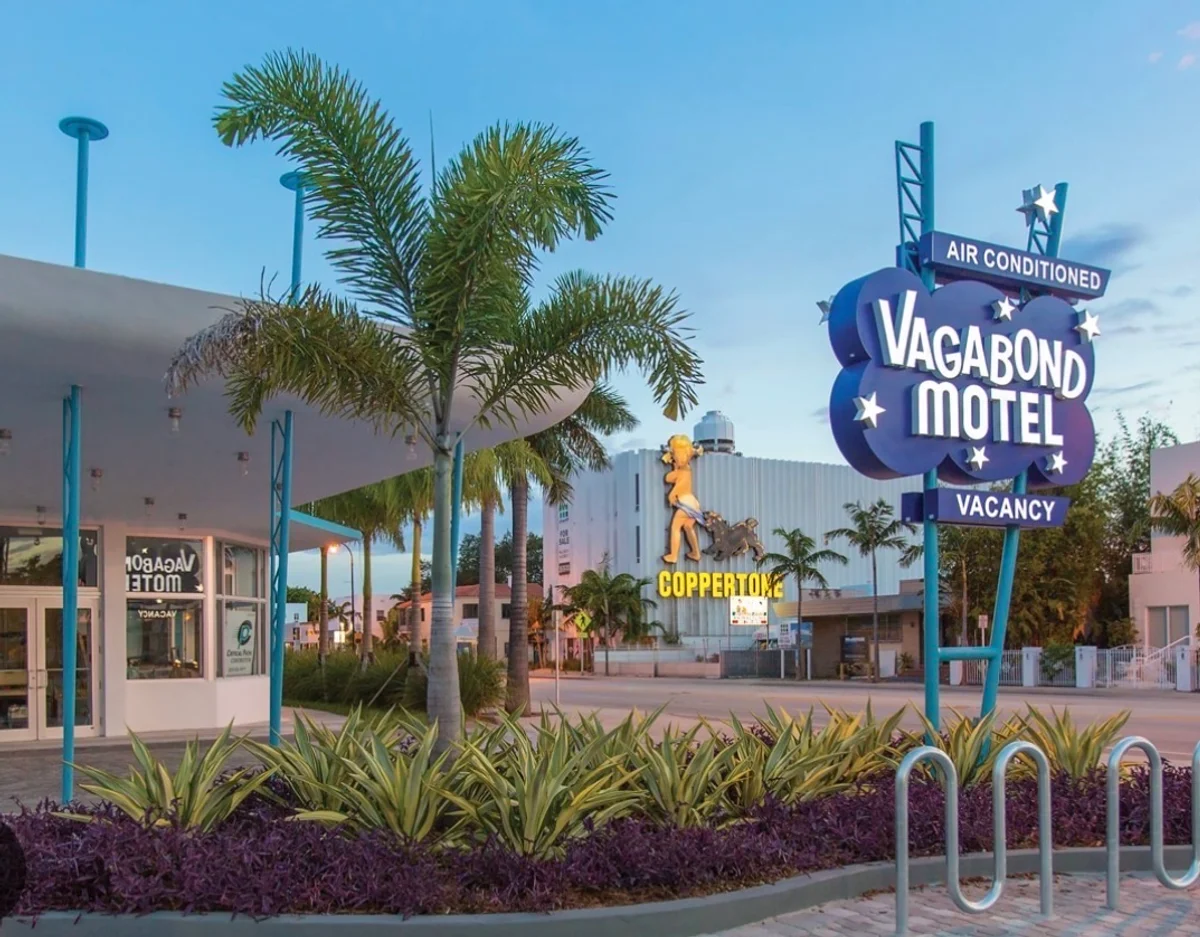
Think kidney-shaped pools, boomerang canopies, decorative "eyebrow" sunshades, mosaic tile facades, and neon signage that once blazed against the Miami night sky. MiMo buildings were designed to dazzle — and in their heyday, they did exactly that.
Where Is the MiMo District?
The heart of Miami's MiMo District runs along Biscayne Boulevard (U.S. Route 1) on Miami's Upper East Side, stretching from approximately NE 50th Street north to NE 77th Street. The area is sometimes referred to as "Biscayne Boulevard's MiMo Historic District" and was added to the National Register of Historic Places in 2006 — a recognition of its remarkable concentration of mid-century commercial and hospitality architecture.
The district sits just north of the Wynwood and Design District neighborhoods, making it part of a broader cultural corridor that has seen significant revitalization in recent decades.
A Brief History
The story of MiMo begins in the aftermath of World War II. Miami was booming. Returning veterans and their families, flush with optimism and disposable income, flooded into South Florida seeking sunshine, modernity, and escape. Tourism exploded, and developers raced to build hotels, motels, restaurants, and retail strips that would appeal to this new, forward-looking clientele.
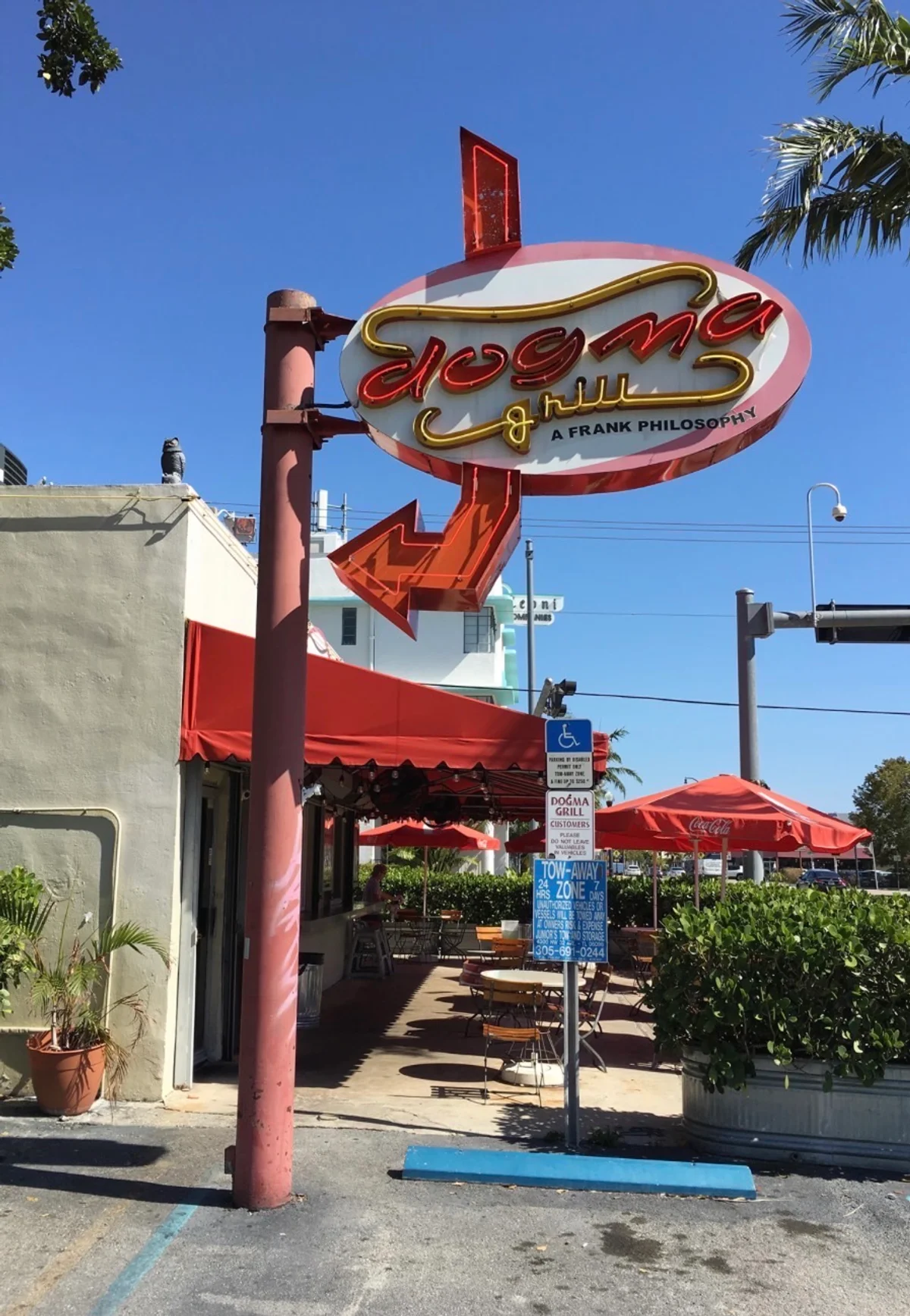
Architects such as Norman Giller, Melvin Grossman, and Igor Polevitzky led the charge, designing structures that broke from the staid pre-war aesthetic and embraced the Space Age sensibility of the era. Biscayne Boulevard became a showcase of these ambitions, lined with motor hotels (or "motels" — a newly coined concept at the time) that catered to the growing American love affair with the automobile.
By the 1950s, the boulevard was glamorous and thriving. Celebrities, tourists, and Miami's growing middle class frequented its hotels and supper clubs. The architecture reflected the era's confidence: bold, bright, and unapologetically modern.
Decline and Rediscovery
By the 1970s and 1980s, the district had fallen on hard times. The opening of Interstate 95 rerouted traffic away from Biscayne Boulevard, and newer resort developments to the south drew tourists elsewhere. Many of the grand motor hotels became neglected or were repurposed for low-income housing. Neon signs went dark. Facades crumbled.
But preservation advocates refused to let MiMo disappear. In the late 1990s and early 2000s, a growing appreciation for mid-century design — fueled in part by the success of South Beach's Art Deco preservation movement — turned eyes northward. The Miami Design Preservation League and local historians began documenting and championing the district's architectural heritage.
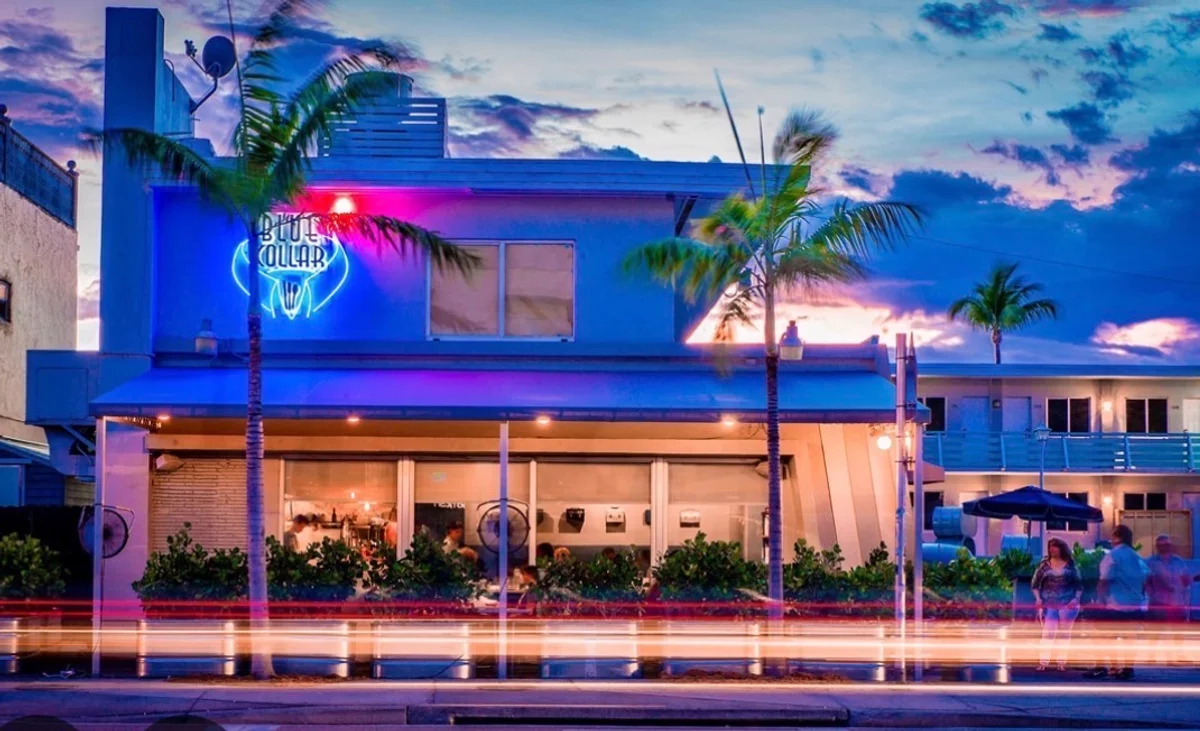
The 2006 listing on the National Register of Historic Places was a turning point. Investment followed, and today the MiMo District is experiencing a steady renaissance, with restored boutique hotels, independent restaurants, art galleries, and creative businesses breathing new life into its storied buildings.
Why It Matters
The MiMo District is more than a collection of retro-cool buildings. It is a tangible record of a pivotal moment in American cultural history — the postwar optimism, the rise of automobile culture, the democratization of leisure travel, and the unique way Miami absorbed and amplified national trends through a tropical lens.
For residents and visitors alike, a walk or drive along Biscayne Boulevard's MiMo corridor is a journey through time — one that reveals Miami not just as a sun-and-sand destination, but as a city with deep architectural roots and a story worth preserving.