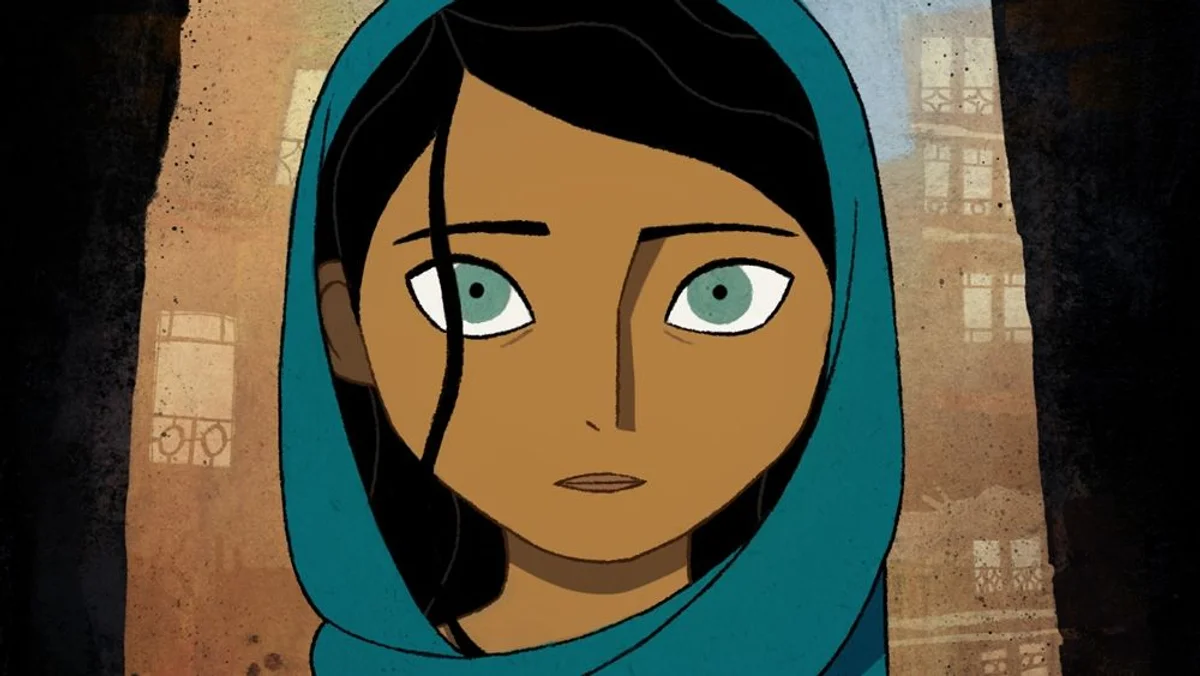
Depiction of the lives of woman in Islamic Fundamentalist countries.
There's a scene that's stayed with me for years, from the animated film The Breadwinner: a headstrong young girl in Taliban-ruled Afghanistan cuts her hair, binds herself flat, and learns to walk like a boy, all so she can walk out the door and earn a wage her family can't survive without. It's a quiet kind of desperation, dressed up as courage. And it's not really about Afghanistan at all. It's about what happens to a woman the moment she tries to do a man's job to stay alive.
It reminded me of a story I read a long time ago and never quite put down, "License" by Saadat Hasan Manto. A woman's husband, a horse-carriage driver, dies. He leaves her nothing but the carriage and the horse, and no other way to feed herself. So she does the obvious thing: she learns to drive it herself. She's good at it. She wants to keep doing honest work in her dead husband's place.
But when she applies for the license in her own name, she's turned away. Not because she can't drive. Because a woman isn't supposed to. The officials are polite about it, even sympathetic, but the answer is still no. This work isn't meant for women, they tell her, as if that settles the matter of how she's supposed to eat. That's the part of the story that always gets me. It isn't really about a license at all. It's about what a society does to a woman once it has decided which doors are hers to walk through. She has no savings, no family to fall back on, and now no legal way to work. Manto doesn't spell out what happens next; he doesn't have to. She's pushed, slowly and almost politely, toward prostitution: the one trade a woman is never denied a license for, the one door society keeps propped open even as it locks every other one.
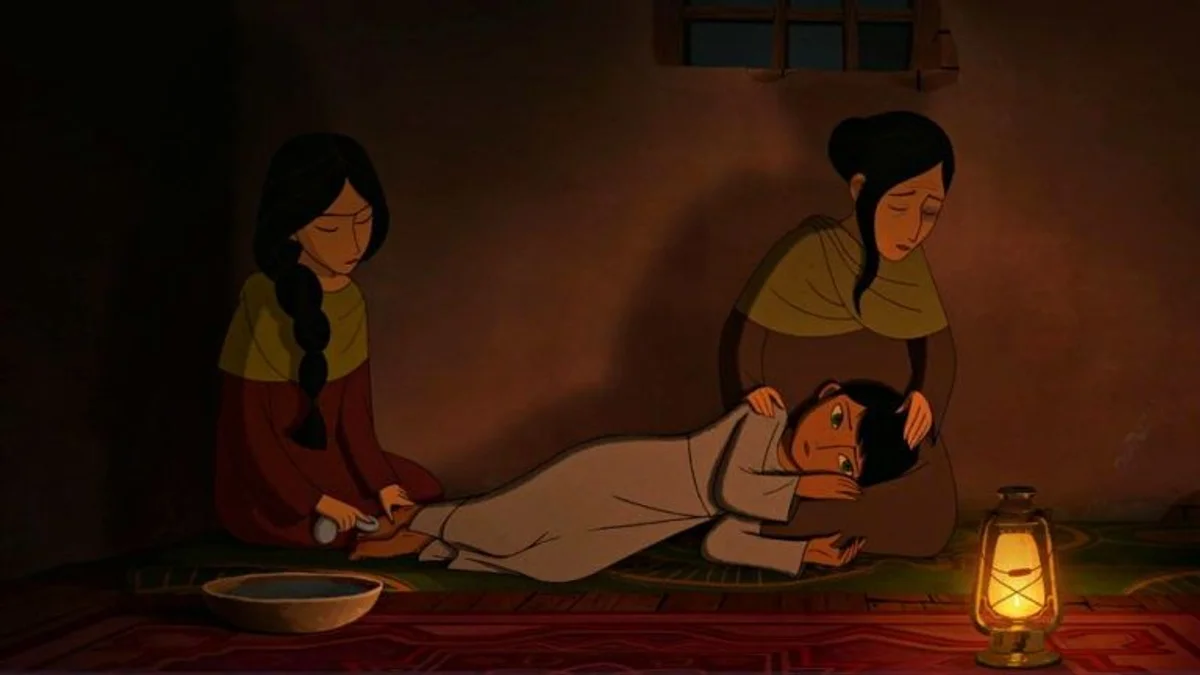
And that's the cruelty of it. A man can drive a carriage, run a shop, fail at both, drink, disappear for weeks, and none of it touches what he is. He remains a man, full stop. A woman only has to step once outside the narrow role she's been handed, and she's re-categorized entirely. Branded. Looked at differently, spoken to differently, protected by no one. Society keeps its doors open for a man no matter how badly he's behaved, and slams them shut on a woman for the crime of trying to survive.
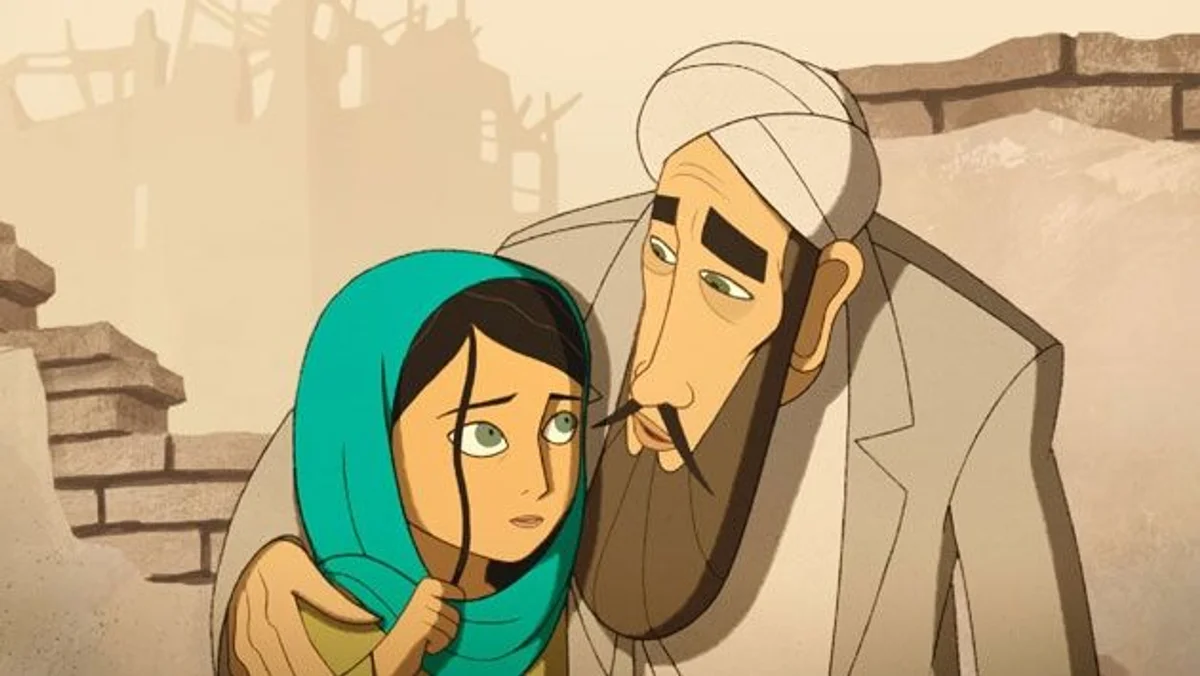
If the two of them are supposed to be equal in the eyes of the same society, I've never understood why all the judgment, all the contempt, all the punishment, lands on her and never on him.
Manto wrote that line himself, and I think about it more than almost anything else he wrote:
Saadat Hasan dies, but Manto remains alive.