How the Food Industry Has Transformed: What It Means for Our Community
From farm to fork, the food industry has undergone a dramatic transformation over the past decade — and the effects are being felt right here at home.
The Rise of Local and Sustainable Eating
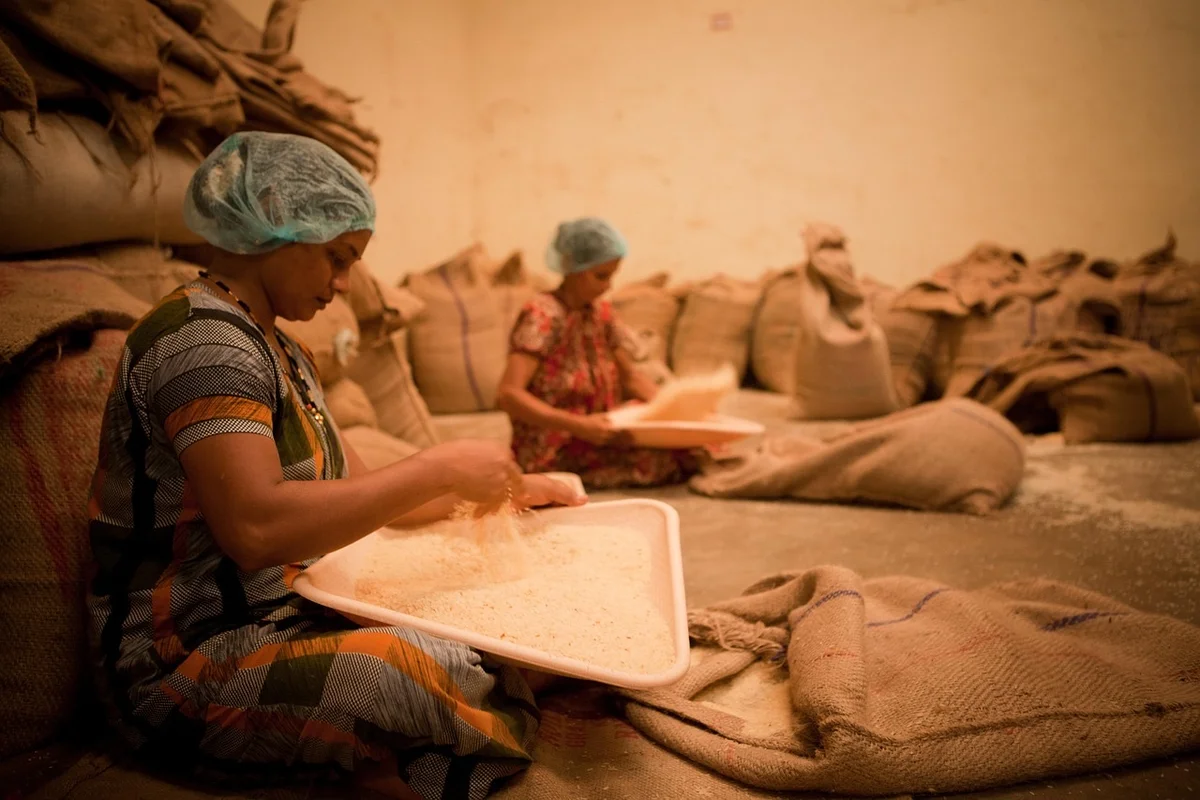
Across the country, consumers are increasingly demanding to know where their food comes from. Farmers markets, community-supported agriculture (CSA) programs, and farm-to-table restaurants have surged in popularity as residents push back against mass-produced, heavily processed food. Local growers are finding new opportunities, while grocery chains scramble to stock shelves with organic and locally sourced options.
Technology on the Plate
Technology has reshaped nearly every corner of the food industry. Online grocery ordering, meal kit delivery services, and food delivery apps have fundamentally changed how people shop and eat. Ghost kitchens — restaurants that operate exclusively for delivery with no dine-in option — have quietly multiplied, altering the landscape for traditional brick-and-mortar eateries.
Meanwhile, food tech innovations like plant-based proteins and lab-grown meat are moving from novelty to mainstream, challenging longtime staples of the American diet and prompting both excitement and debate among consumers and producers alike.
Supply Chain Struggles
The COVID-19 pandemic exposed deep vulnerabilities in global food supply chains. Empty shelves, labor shortages, and shipping bottlenecks forced businesses and consumers to rethink their dependence on far-flung suppliers. Many communities responded by doubling down on local food networks — a shift that experts say may have lasting staying power.
What This Means Locally
For local restaurants, grocery stores, and food producers, these changes present both challenges and opportunities. Rising ingredient costs, shifting consumer preferences, and increased competition from delivery platforms have put pressure on small businesses. At the same time, a renewed community appetite for local, authentic food experiences has given independent operators a meaningful edge.
As the food industry continues to evolve, one thing is clear: the choices residents make about where and how they eat will shape the future of local businesses and the broader community for years to come.