Waymo: Pioneering the Future of Driverless Transportation
Waymo, a subsidiary of Alphabet Inc., has emerged as a global leader in autonomous vehicle technology, transforming the way people think about transportation. Originally launched as Google's self-driving car project in 2009, Waymo became an independent company in 2016 with a mission to make it safe and easy for people and things to move around. The company has invested billions of dollars in developing sophisticated sensor technology, artificial intelligence, and machine learning systems that enable vehicles to navigate complex urban environments without human drivers. With over 20 million miles driven on public roads and billions more in simulation, Waymo has accumulated more real-world autonomous driving experience than any other company in the industry.
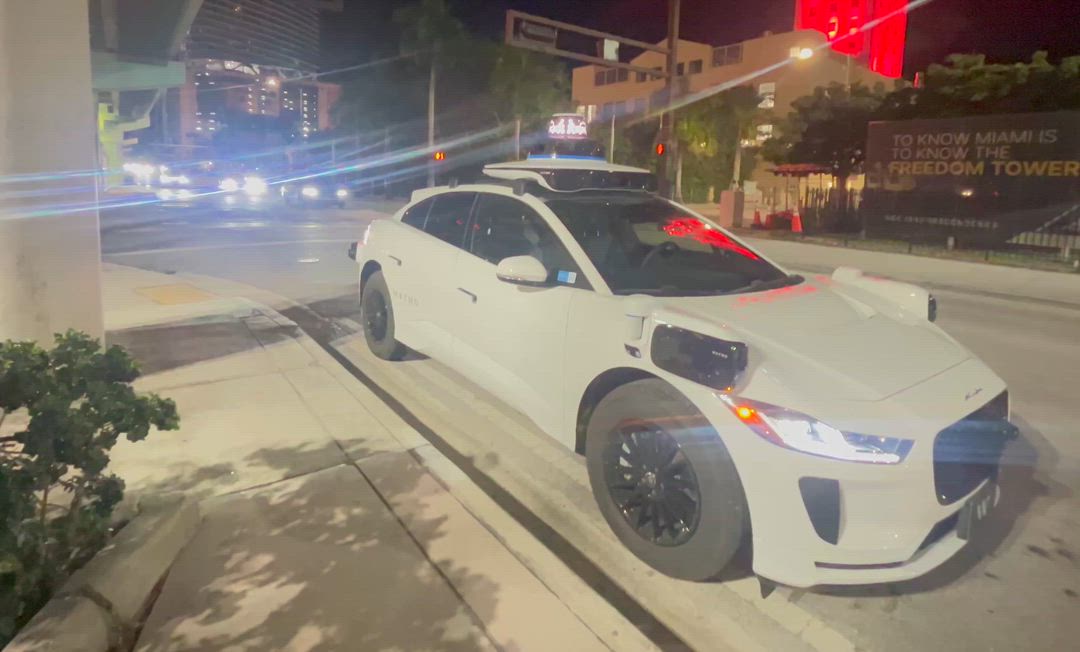
The technology behind Waymo's driverless system represents a remarkable fusion of hardware and software innovation. Each Waymo vehicle is equipped with an array of sensors including lidar, radar, and high-resolution cameras that create a 360-degree view of the vehicle's surroundings. The company's proprietary artificial intelligence processes this data in real-time, making split-second decisions about navigation, obstacle avoidance, and traffic law compliance. Waymo's vehicles can detect pedestrians, cyclists, other vehicles, and even predict their likely movements, allowing the system to respond safely to dynamic road conditions. The company has also developed redundant safety systems, ensuring that if one component fails, backup systems can take over seamlessly.

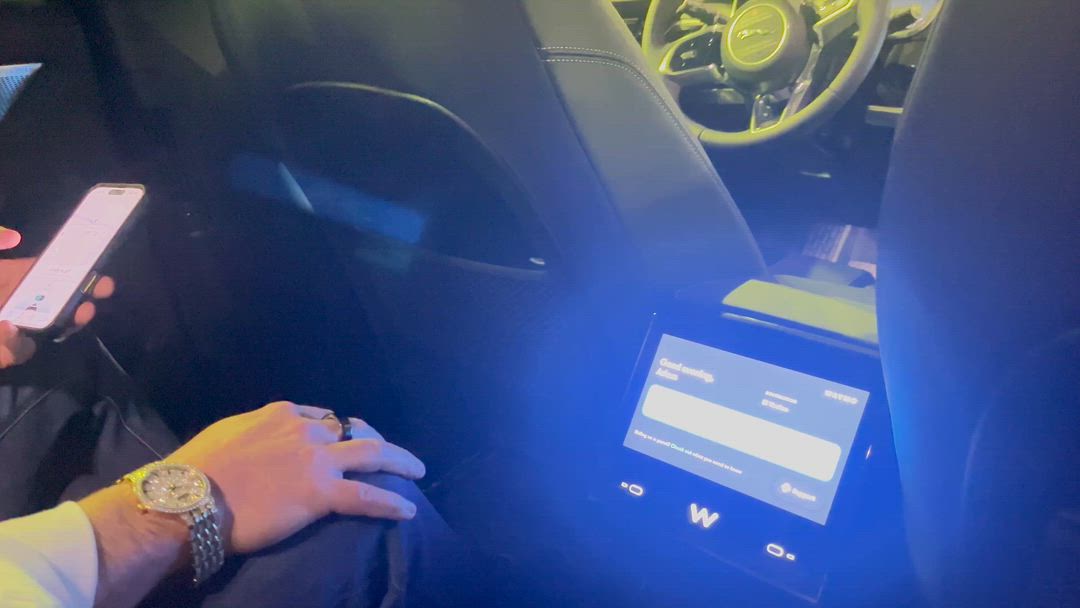
Currently, Waymo operates commercial ride-hailing services in several key markets across the United States. The company's flagship service, Waymo One, is fully operational in Phoenix, Arizona, where residents and visitors can hail completely driverless rides through a smartphone app. The service has expanded to parts of San Francisco, California, where Waymo vehicles navigate the city's famously challenging streets, including steep hills, dense traffic, and unpredictable weather conditions. Los Angeles has also become a major operational hub, with Waymo offering rides across a growing service area that includes Santa Monica, West Hollywood, and downtown LA. Additionally, the company has been testing and gradually expanding operations in Austin, Texas, demonstrating the technology's adaptability to different urban environments and driving cultures.
Looking ahead, Waymo has ambitious plans for expansion across the United States and potentially internationally. The company has announced intentions to bring its autonomous ride-hailing service to additional cities, with Atlanta, Georgia, being considered as a future market due to its size and transportation needs. Waymo is also exploring partnerships with automotive manufacturers and logistics companies to expand beyond passenger transportation into freight and delivery services. International expansionu remains on the horizon, with potential markets in Europe and Asia where regulatory frameworks for autonomous vehicles are evolving. As the technology continues to mature and public acceptance grows, Waymo envisions a future where driverless transportation becomes as commonplace as traditional ride-sharing, fundamentally reshaping urban mobility and reducing traffic accidents caused by human error.