CREATE and Educate Community
We were traveling a few days last week and I had the opportunity to eat slowly, look around and even drive a Hybrid car around the Napa Valley in California. We have been doing a major reset at home, through work and in community and I took time to read a book by Wendell Berry called "What Matters? Economics for a Renewed Commonwealth." In my work as a writer and producer, I had read the story about Bruce Springsteen's "Nebraska," and the idea that minimalist production and performance is organic and folk processed. Although the subject matter was not to my liking, getting to the roots of music and songwriting has always been attractive to me. I love hearing demos of Beatle songs in the creative process! In recent years I have enjoyed making music in the communities that I serve and education by experience. Berry speaks to me about education, arts, agriculture and home economics. We live in a world that is becoming increasingly transient, homeless and landless. When students and graduates began "Occupying Wall Street," they should have been question educational institutions and a government that started loan programs that are stacked against student borrowers. While many of us are concerned about "artificial intelligence" it is noteable that we have been using "artificial economics," since the Industrial Revolution.
The Education of Richard Arnold Beattie:
"The Thing we made it," is counter the "Thing it could be." In studying all sides of my family tree, I was surprised that on one side our farming family who for decades planted the fields in Western Long Island (Brooklyn, Queens and Merrick) of potatoes, were suddenly laying down tracks for the Long Island Railroad. My great grandfather, Samuel Weeks Baldwin, was a farmer and laborer with a wife and 9 children. When his father died, he took up residence to take care of his mother and run a boarding house, abandoning my great grandmother, my aunts and uncles and my great father. Even if they knew what happened to their father, no one knew that he was living a few miles or blocks away in Brooklyn. He worked as a messenger on Wall Street. The story is repeated over and over all over the country.

Sound Community
Wendell Berry writes "By what standard, are we permitted to suppose that displaced people were not needed in their original places?" The un-needed graduate to the "mobile" which will take them to the places where the jobs are, until they are repalced by machines. Could it be that the displaced people were needed by their families and communities, not for their economic assistance, but for their love and understanding, for their help and comfort in troubled times? "With the Amish-as once with the rest of us- family memberor neighbor is by definition needed not according to usefulness or any ratio of cost and price, but according to the absolute standards of kindness, mutuality and affection. Unlike the rest of us, the Amish have remembered that the best, most dependable, most kind safety net or social security or insurance is a coherent, neighborly, economically sound local community."
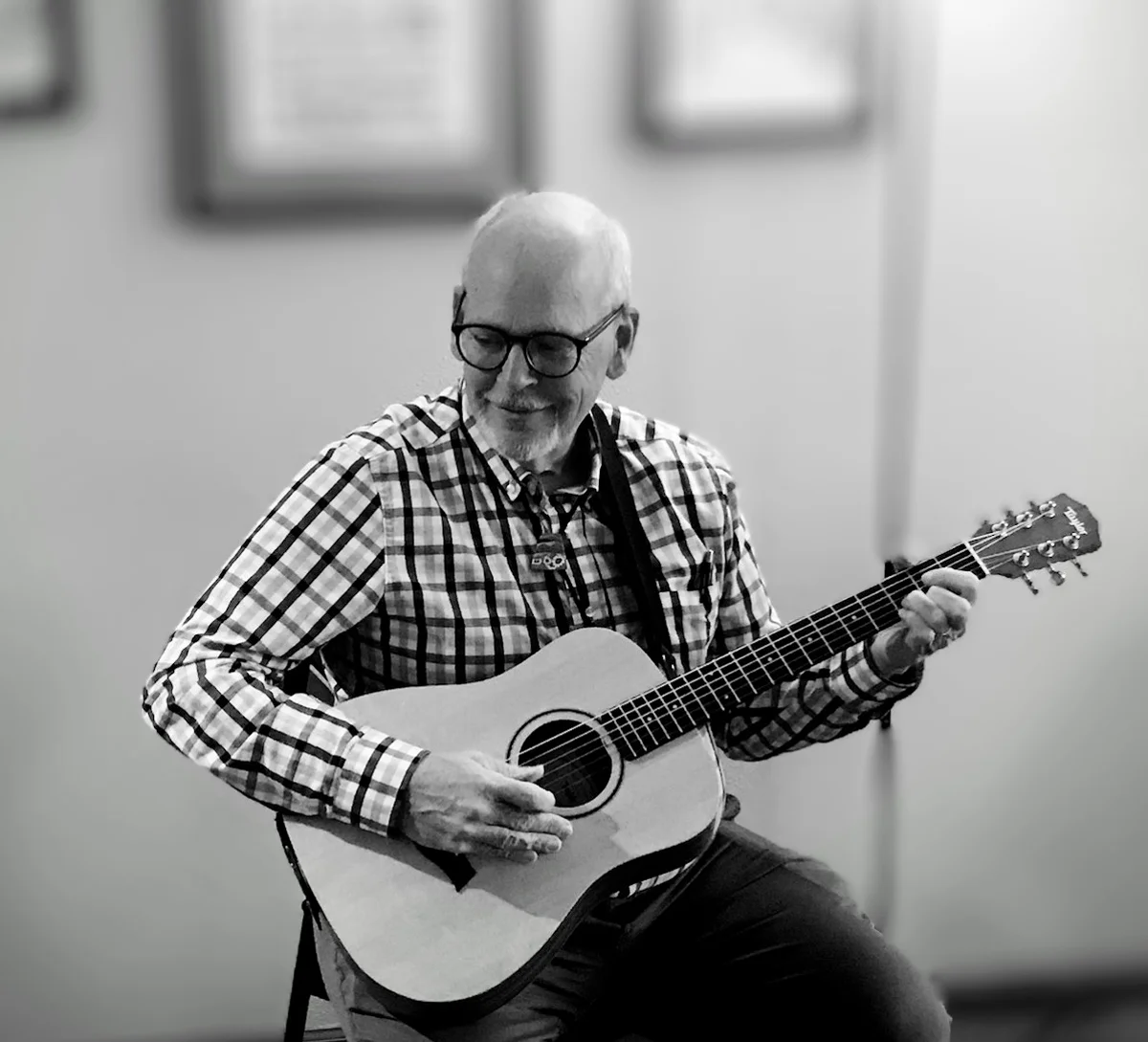
Richard Arnold Beattie is a journalist, artist and musician who lives, works and is in community in the Wet Mountain Valley, where he writes, records and shares with his neighbors, family and friends. He is married to Jill Beattie who lives and works at her shop, Music Mountain Instruments for Travel and Camping. To join a community TAG Team, (Think- Act-Group) email: Richardbeattie809@gmail.com.