Griggs Reservoir: A Century of History, Water, and What Lies Ahead for Columbus's Beloved Landmark
COLUMBUS, Ohio — Nestled along the Scioto River at 2933 Riverside Drive, Griggs Reservoir has served the Columbus community for well over a century — a quiet but vital piece of infrastructure that has shaped the city's growth, its water supply, and its outdoor identity.
A Dam Born of Necessity
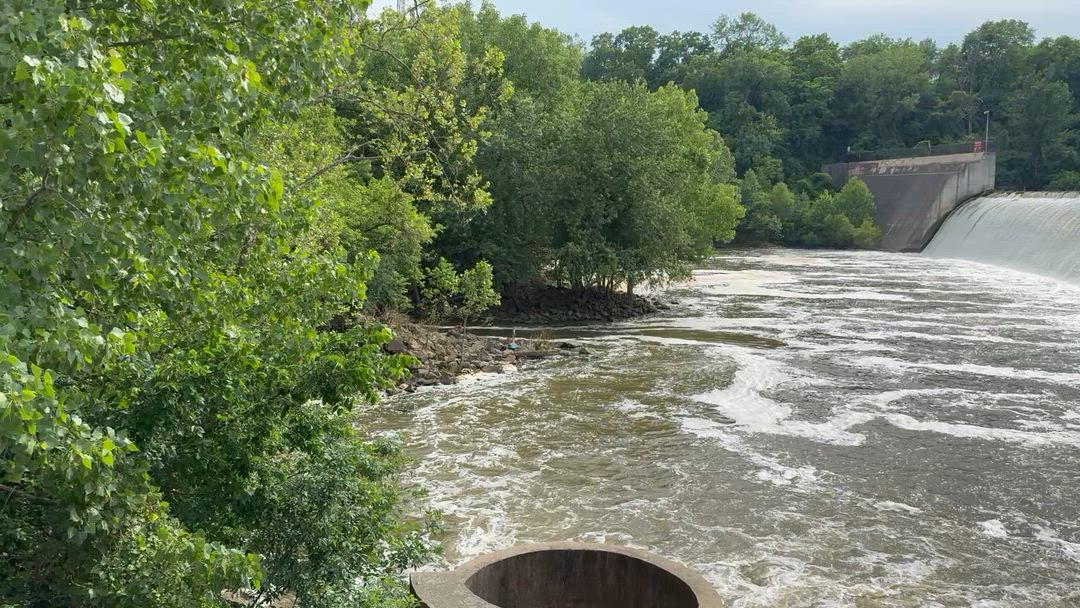
Griggs Dam and Reservoir were constructed between 1903 and 1905, making the facility one of the oldest water supply systems in Central Ohio. At the time, Columbus was experiencing rapid population growth and an urgent need for a reliable, clean municipal water source. City officials turned to the Scioto River as the answer, commissioning the construction of a low-head dam to impound water upstream and create a steady reservoir supply.
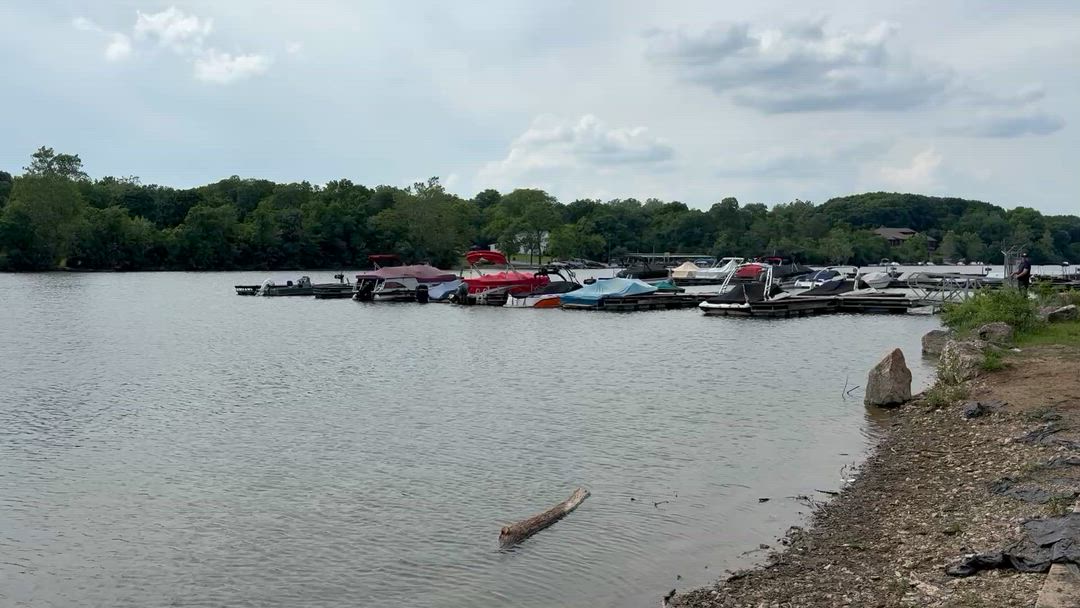
Named after Julian Griggs, a former Columbus city engineer who played an instrumental role in the city's early water infrastructure planning, the reservoir was a landmark achievement in early 20th-century municipal engineering. The original masonry and concrete dam stretched across the Scioto and created a reservoir stretching roughly 5 miles upstream — capable of holding hundreds of millions of gallons of water.
Purpose and Function
For decades, Griggs Reservoir served as one of Columbus's primary drinking water sources, drawing raw water from the Scioto and routing it to treatment facilities before distribution to city residents. The reservoir also served as a critical buffer during periods of drought, ensuring consistent water pressure and supply across a growing metropolitan area.
Beyond its utilitarian role, Griggs Reservoir became a treasured recreational destination. Boating, rowing, and fishing have long drawn Columbus residents to its banks, and the surrounding parkland — managed by Columbus Recreation and Parks — offers trails, picnic areas, and scenic overlooks that attract thousands of visitors each year. The Columbus Rowing Association has historically used the reservoir's calm waters for training and competition.
Aging Infrastructure and Growing Concerns
In recent years, Griggs Dam has come under increasing scrutiny. Like many low-head dams across Ohio, Griggs presents a well-documented drowning hazard — the hydraulic currents created below such dams can trap swimmers and boaters in a deadly recirculating pattern. Safety advocates and city engineers have flagged the dam as a public safety concern for years.
The dam's age has also raised structural questions. Built over 120 years ago, ongoing maintenance and inspection have been required to keep the facility operational, and city officials have acknowledged that long-term decisions about the dam's future cannot be deferred indefinitely.
Plans for the Future
The City of Columbus has been engaged in ongoing studies and community conversations about the future of Griggs Dam and Reservoir. Options under consideration have ranged from full dam removal — which would restore a more natural Scioto River corridor and eliminate the drowning hazard — to rehabilitation and modernization of the existing structure to extend its operational life while improving safety features.
Dam removal, if pursued, would represent a significant transformation of the Riverside Drive corridor. Proponents argue it would improve river ecology, reduce safety risks, and open miles of the Scioto to free-flowing conditions. Opponents point to the loss of the reservoir's recreational value and the scenic landscape that has defined the area for generations.
Columbus city planners and the Department of Public Utilities have indicated that any final decision will involve extensive public input and environmental review, with community stakeholders — including rowers, anglers, nearby residents, and environmental groups — expected to play a key role in shaping the outcome.
For now, Griggs Reservoir remains open and operational, a living piece of Columbus history that continues to serve both the city's practical needs and its community spirit — even as its next chapter remains unwritten.
For more information on the City of Columbus's water infrastructure and reservoir planning, visit columbus.gov.