Watching and Waiting: Cuba's Anxious Gaze Toward Venezuela
María Elena stood on the Malecón, Havana's famous seawall, watching the sunset paint the Caribbean in shades of orange and crimson. The beauty of the moment couldn't mask the anxiety she felt—an anxiety shared by millions of Cubans across the island. Behind her, the city was plunged into another blackout, the fifth this week. In the darkness, she thought about Venezuela, and what the future might hold for both nations.
An Island More Isolated Than Ever
Cuba today feels more isolated than it has in decades. Years of U.S. sanctions have severely damaged the economy, blocking not just direct trade but hampering transactions with the rest of the world. The island nation is experiencing what many call its worst economic crisis in thirty years—worse, some say, than even the "Special Period" of the 1990s after the Soviet Union collapsed.
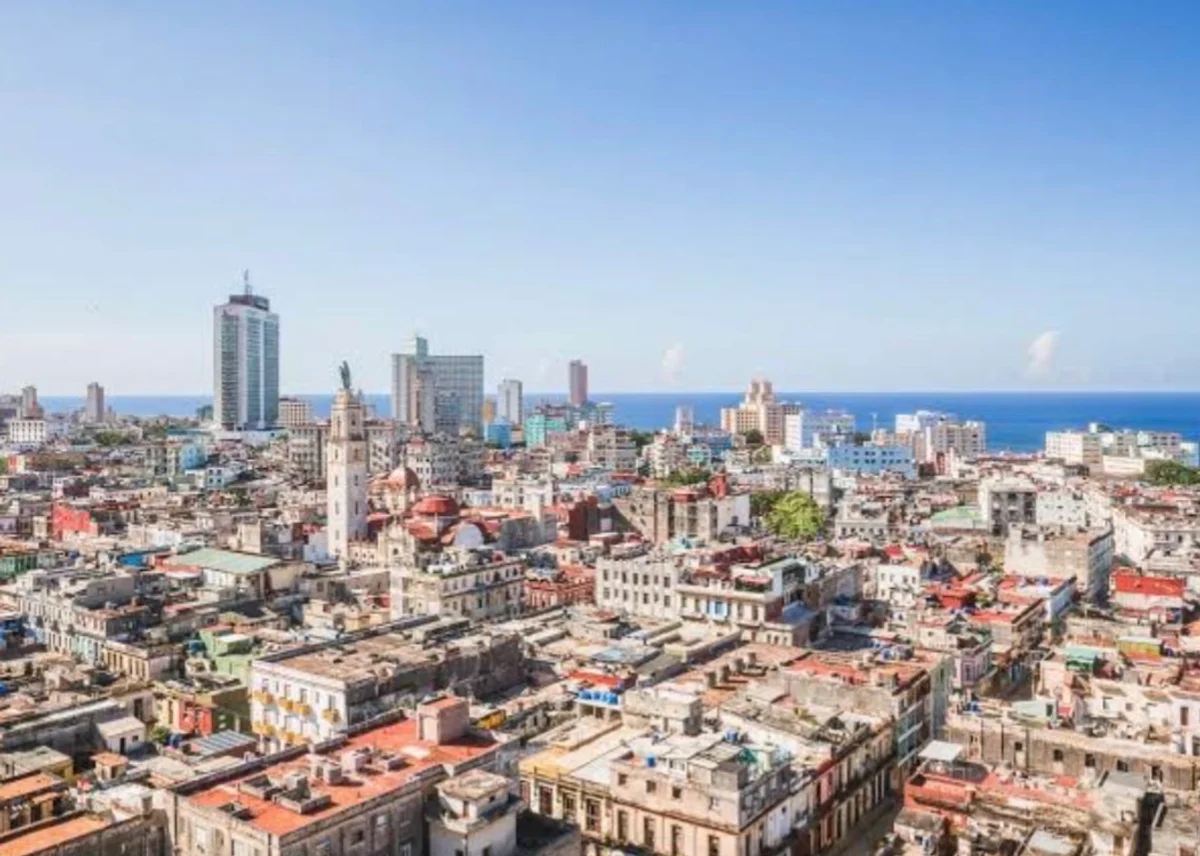
The numbers tell a stark story. The Cuban economy failed to achieve positive growth in 2024, continuing a recession that has left the country's GDP more than ten percent below pre-pandemic levels. Daily blackouts have become routine, sometimes lasting up to twenty hours in parts of the island. Food shortages are widespread. For the first time, Cuba requested assistance from the UN World Food Programme in February, asking for powdered milk for children under seven.
María Elena remembered when things were different—when Venezuelan oil kept the lights on, when the shelves weren't quite so bare. Those days now feel like a distant memory.
The Lifeline from Caracas
For over two decades, Venezuela has been Cuba's most crucial economic partner. During the golden age of relations between 2006 and 2013, Venezuela delivered up to 100,000 barrels of oil daily to Cuba, ensuring energy stability and economic recovery. In exchange, Cuba sent doctors, teachers, intelligence advisors, and security personnel to Venezuela.
The relationship was born from ideology and cemented through mutual need. Hugo Chávez and Fidel Castro built more than an economic partnership—they created what they saw as a bulwark against U.S. influence in Latin America. Castro became Chávez's mentor after they met in 1994, and the two shared a vision of a Latin American bloc rooted in Revolutionary Marxism.
But those glory days are long past. Venezuela's own economic collapse has devastated the arrangement. By 2024, oil shipments had fallen to 32,000 barrels per day, down from the peak of 100,000. Venezuela, struggling with its own economic crisis, can barely support itself, let alone its Caribbean ally.
A New Threat on the Horizon
Now, as María Elena scrolls through news on her phone during the rare moments when she has internet access, she reads about something even more concerning: the massive U.S. military buildup in the Caribbean. Ten naval vessels and 10,000 U.S. troops have been deployed to the region—the largest military presence there since the 1962 Cuban missile crisis.
The stated reason is Venezuela's role in drug trafficking. The real goal, analysts suggest, goes deeper. Some believe the aim is to overthrow Venezuelan President Nicolás Maduro's government and cut off the flow of Venezuelan oil to Cuba. Without that oil, even at its reduced levels, Cuba's economy would face total collapse.
The appointment of Marco Rubio as U.S. Secretary of State has only heightened anxiety in Havana. Rubio has made ending the Cuban government his ultimate foreign policy goal since he was elected to the Senate in 2010. For him and other hardliners, destabilizing Venezuela is seen as the key to finally toppling the Cuban regime.
Allies in Name, But Can They Help?
Cuba's Foreign Minister declared in September that Cuba "fully and completely supports" Venezuela's government. But when asked whether Cuba would respond militarily to a U.S. attack on Venezuela, he avoided giving a direct answer. The reason is painfully obvious to everyone on the island.
Cuba is going through one of its biggest economic crises in recent memory and is in no position to provide military aid to Venezuela. The island can barely keep its own lights on, let alone mount any kind of meaningful defense of its most important ally.
María Elena's husband, Roberto, a doctor who once served in Venezuela as part of Cuba's medical mission, put it bluntly over dinner by candlelight: "We're watching our lifeline slowly being cut, and there's nothing we can do but watch."
The Strategic Bind
Both Cuban and Venezuelan dictatorships face severe economic problems in 2024, including power shortages in Cuba and recession in Venezuela. Yet they remain bound together, not just by ideology but by mutual dependence. Cuban intelligence and security forces continue to have tremendous sway over Maduro's intelligence apparatus and military. Cuba needs Venezuelan oil; Venezuela needs Cuban expertise in maintaining authoritarian control.
It's a relationship that has survived the death of Chávez, the collapse of oil prices, U.S. sanctions on both nations, and economic catastrophe. Recent discussions between Cuban and Venezuelan officials emphasized supporting the Cuban people through programs for selling food at fair prices, declaring that Venezuela and Cuba are "united brothers in solidarity."
But solidarity doesn't fill stomachs or power homes. As María Elena looks out at the dark city behind her, she wonders how much longer that solidarity can sustain an island pushed to its breaking point.
Living Day to Day
The Cuban president himself recently admitted the dire situation. President Miguel Díaz-Canel acknowledged that the year has been "very hard" and that the country lives "practically day to day" with "very limited foreign currency."
Cuba's population has declined to around 9.7 million inhabitants, reflecting the largest migratory exodus since the 20th century. Over a million Cubans have left since 2020, most heading north to the United States, seeking opportunities their homeland can no longer provide. Every family has someone who has left—a daughter in Miami, a son in Madrid, a cousin trying to reach the U.S. border through Nicaragua.
For those who remain, like María Elena, life has become a daily struggle for survival. The rationing system that once guaranteed basic goods has partially collapsed. Inflation has soared, with prices quadrupling over five years while salaries stagnate. The health and education systems that Cuba once proudly touted as achievements of the Revolution show signs of serious strain.
The Venezuelan Variable
As Trump's second administration takes shape with its maximum pressure strategy, Cuba watches Venezuela with a mixture of fear and desperate hope. If Venezuela falls—if Maduro is overthrown or forced to cut ties with Cuba—the island faces economic devastation unlike anything since the Soviet collapse.
Yet there's a grim silver lining that Cubans cling to: Cuba is less dependent on Venezuelan oil now than a decade ago. The forced reduction in oil supplies has already pushed Cuba to seek alternatives, however inadequate. The blow would still be catastrophic, but perhaps not immediately fatal.
Venezuela, meanwhile, has its own pressures. Even left-wing leaders in Brazil, Chile, Mexico, and Colombia have limited their ties with Maduro after Venezuela's disputed 2024 elections. The Venezuelan government is more isolated than ever, with few friends who can or will help in a crisis.
Waiting for What Comes Next
As full darkness descends on Havana, María Elena finally turns away from the sea and begins the walk home. She knows the power might not come back on tonight. She knows that tomorrow she'll spend hours in line hoping to find cooking oil or chicken. She knows that her sister in Tampa has been begging her to leave, to join the exodus.
But she also knows that Cuba and Venezuela remain locked in their dance of mutual dependence, two struggling nations clinging to each other in a hemisphere that has largely moved on. Whatever happens in Caracas in the coming months will reverberate through every street in Havana, through every darkened home, through every family's difficult calculations about whether to stay or go.
For now, all Cuba can do is watch and wait, hoping that the lifeline from Venezuela—frayed and weakened as it is—doesn't finally snap. The island has survived impossible situations before: the Bay of Pigs, the Missile Crisis, the Special Period. But as María Elena reaches her dark apartment building and begins climbing the stairs by the light of her phone, she wonders if this time might be different.
The United States is ramping up pressure on Venezuela like never before. Cuba's economy hangs by a thread. And in the Caribbean darkness, an island of eleven million people watches nervously as events in Caracas determine their fate, knowing they have no power to change the outcome—only to endure whatever comes next.