Traveling Together on the Loneliest Highway
Route 66 is legendary in the history of early motoring across the United States. Yet just north of the "Mother Road," a more rugged and winding route awaited the traveling "bluester," cowboy, or folk singer with a guitar in tow — an old road with a new name. In November 1926, U.S. Highway 50 was commissioned, following the heartbeat and rhythm of rivers and freight trains across 12 states. The road meandered along and paved over portions of the old Midland Trail. Highway 50 became a route where local musicians and regional solo acts, duos, trios, and quartets shared songs and stories. Freight-train bluesters swapped licks and poems on a dangerous but creative ride, then decided which destination might welcome them next — a roadhouse, a boarding house, a church, or a farm.
Crossroads of Stories and Songs
Highway 50 acted as a vital cultural artery and melting pot, where folk ballads, cowboy laments, and early blues cross-pollinated with jazz and gospel. Laborers, musicians, writers, miners, and farmers — alongside Midland Railroad bands and Country Swing combos and bandleaders — traveled east toward Cincinnati, St. Louis, and Maryland, or west through Lamar, Pueblo, and Cañon City, and further on through Salida, Monarch Pass, and the Gunnison Valley. Ad-hoc bands and orchestras came together at roadside camps, dance halls, and mining towns, swapping songs, stories, and local lore through farm, ranch, and mining communities along the way.
The Midland Journal
Most of the stories from the road were shared by telling and singing, and few journals documented them beyond the work of John and Alan Lomax. Radio was fast arriving along the trail, and the advent of jazz and vaudeville brought traveling troupes to Highway 50. Gospel and mission-gospel singers and players often mingled with roadhouse and front-porch pickers over a potluck meal and a "pallet on the floor."

A Sound Century Along the Way
Transmitters along Highway 50 carried music from the road into living rooms and parlors. Vaudeville players began carrying bigger guitars with a bigger sound. Portable reel-to-reel and wire recorders documented traditional and original songs across the three thousand miles of the "Backbone Highway." During the era of the Great Migration, when African Americans moved from the rural South to the industrial Northeast and West, Highway 50 offered a route that provided a more civilized passage.
Scenes, Scores, and Sounds
At a time when history is being edited and, in some cases, erased, Sound Century and the Arkansas Valley Wind and Percussion Library are working to protect and preserve the songs and stories that brought communities together through journalism, publishing, and music. The SCOR Library holds recordings and scores documenting printed music, piano rolls, and soundtracks, much of it in the public domain. In Arvada, Colorado, Park Peters, owner of Audio Park, is preserving reel-to-reel tapes and digitizing them for the Sound Century Library. Richard Arnold Beattie is remastering the tapes and preparing them for broadcast. John Burris, founder of Hands On Recording Studio in Denver, is recording artists in studio and mobile sessions, while Trevor LaCost is preserving sheet music and scores at The Shore Arts Center in Lamar, Colorado. Sound Century is working toward establishing the Sound Century Academy for Recording Arts and Broadcasting at the Beattie Studio in Westcliffe, and building a studio network along Highway 50 in Colorado.
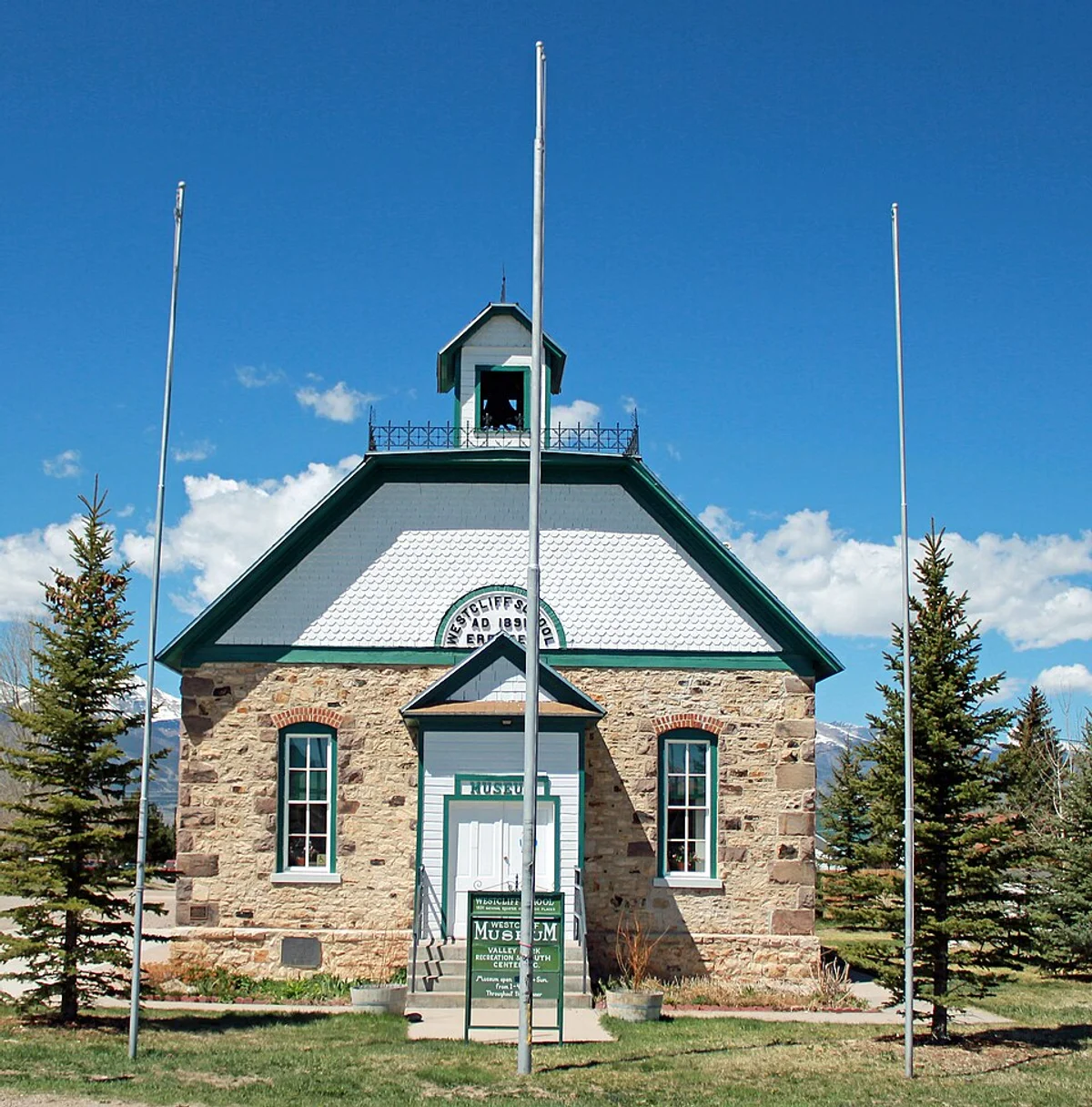
The Sound Century Academy for Recording Arts and Broadcasting is a not-for-profit organization dedicated to creating, producing, and sharing the last 100 years of sound, picture, and publishing history — and passing it on to coming generations. Our main objective is to "stay one step ahead of technology." We're also a school for journalism, advertising, and music — teaching, recording, and sharing the CREATE Curriculum on site, on air, and online.
Do you have a family recording, a box of old tapes, or a story from the Highway 50 corridor gathering dust in a closet? Don't let it disappear. Reach out to Sound Century today at soundcenturyoriginals@gmail.com and help us preserve this piece of American musical history before it's lost for good — your story could be the next one we save.