
Swimming in Biscayne Bay: What You Need to Know Before You Dive In
Biscayne Bay, the stunning 35-mile stretch of shallow, clear water nestled between Miami and the barrier islands of South Florida, has long been a playground for locals and visitors alike. But before you grab your fins and jump in, there are a few things every swimmer, snorkeler, and diver should know.
Is It Safe to Swim in Biscayne Bay?
The short answer: it depends on where and when. Biscayne Bay is generally considered safe for swimming, but water quality can vary significantly by location and season. The northern portions of the bay, closer to urban Miami, are more susceptible to pollution from stormwater runoff, sewage overflows, and boat traffic. The southern sections — particularly within Biscayne National Park — tend to have cleaner, clearer water.
The Miami-Dade County Department of Health regularly monitors water quality at designated swim areas and issues advisories after heavy rainfall, when bacteria levels can spike. Always check current water quality reports at the county's website or the Florida Department of Environmental Protection before heading out.
The Fun Factor
Make no mistake — on a calm, sunny South Florida day, Biscayne Bay is absolutely magical. The water is warm, typically ranging from the mid-70s°F in winter to the upper 80s°F in summer. Visibility in the southern bay can reach 20 feet or more, making it a dream destination for underwater exploration.
Popular swim spots include Matheson Hammock Park, Bill Baggs Cape Florida State Park on Key Biscayne, and the waters surrounding the islands of Biscayne National Park, accessible by boat or kayak.
Snorkeling and Diving: A Hidden Gem
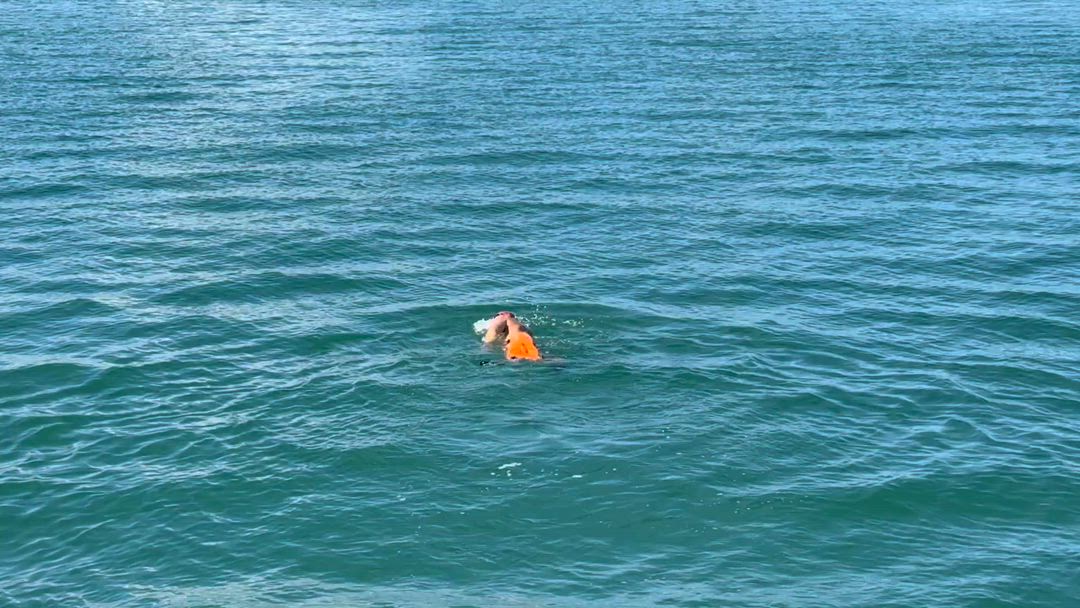
Biscayne Bay and the adjacent Atlantic waters are a snorkeler's and diver's paradise. Biscayne National Park protects the northernmost Florida Keys and the only living coral reef in the continental United States. Snorkelers can explore shallow reef areas teeming with life, while certified divers can descend to the Maritime Heritage Trail — a collection of six historic shipwrecks lying in 15 to 25 feet of water.
The bay's seagrass beds also make for fascinating shallow-water snorkeling, offering a window into one of South Florida's most important ecosystems.
Wildlife You Might Encounter
Biscayne Bay is extraordinarily rich in wildlife. Swimmers and snorkelers commonly spot:
- Manatees – These gentle giants frequent the bay year-round. Federal law requires swimmers to observe manatees passively and never chase or touch them.
- Dolphins – Bottlenose dolphins are a regular sight, often riding boat wakes or hunting in the shallows.
- Sea Turtles – Loggerhead, green, and hawksbill turtles nest on nearby beaches and feed in the bay's seagrass beds.
- Fish – Snappers, grouper, parrotfish, angelfish, barracuda, and dozens of other species inhabit the reefs and grass flats.
- Sharks – Nurse sharks and small reef sharks are occasionally spotted near the reefs. Encounters are rare and typically non-threatening, but swimmers should remain calm and give them space.
- Rays – Southern stingrays glide along the sandy bottom. Shuffle your feet when wading in shallow areas to avoid accidentally stepping on one.
Safety Precautions Every Swimmer Should Take
1. Check water quality advisories before swimming, especially after heavy rain. Miami-Dade County posts updates online.
2. Wear reef-safe sunscreen to protect both your skin and the fragile coral ecosystem.
3. Be aware of boat traffic. The bay is heavily used by recreational and commercial vessels. Swim in designated areas, use a dive flag when snorkeling or diving, and stay visible.
4. Watch the weather. South Florida's afternoon thunderstorms can develop rapidly. Exit the water at the first sign of lightning.
5. Swim with a buddy. Never swim alone in open water.
6. Stay hydrated. The South Florida sun is intense. Bring water and take breaks in the shade.
7. Respect the wildlife. Do not feed, touch, or harass any marine animals. It's not only harmful to them — it's illegal.
8. Know your limits. Currents and tides can be stronger than they appear, particularly near inlets and channels.
The Bottom Line
Biscayne Bay offers some of the most accessible and breathtaking aquatic experiences in the country — right in Miami's backyard. With the right preparation, awareness of local conditions, and respect for the environment, a day in the bay can be an unforgettable adventure. Just do your homework before you go, and the bay will reward you generously.
For water quality updates, visit the Miami-Dade County Department of Health website or the Florida Department of Environmental Protection's Beach Conditions Reporting System.